






































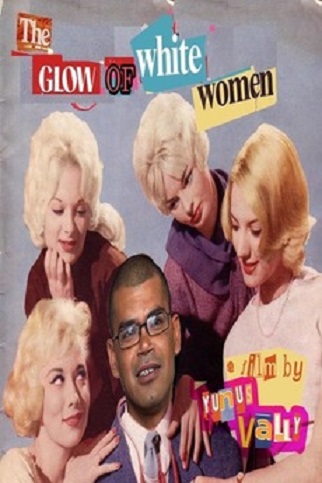
Glow of White Women (The)
- Director: Yunus Valley
- Producer: Nick Fraser, Catherine Meyburgh, James Mitchell
CGiii Comment
Sex and politics are the themes of this humorous and entertaining film that looks at white women in the Dark Continent and focuses on the forbidden sexual desires of both black and white men under Apartheid. The film’s director, Yunus Vally, was raised in a Muslim family; as young man he attended the mosque five times a day and hoped to reach paradise one day. Growing up under a system which proclaimed that white is beautiful, Yunus was convinced that the promised virgins of paradise would all be white.
Yunus Vally: “My mother was the best dressmaker in Nelspruit. She would sew wedding dresses for the white girls in town and I’d watch these girls having their dresses fitted in our house. Home was literally on the wrong side of the tracks, on the other side of the railway line that separated Indian families like mine from the rest of Nelspruit society.” Yunus’ only chance of ever encountering white women, was through weekly visits to the cinema. But while whites would use the front entrance, he, and all the so-called ‘coloured’ and black patrons were made to use the back entrance in the rear alley that was usually reserved for garbage trucks. This was the era of an Elizabeth Arden quote that inspired the title for his film: “White women glow rather than shine.” The film traces the ideals postulated at the time and the social realities they concealed in a series of interviews with people who throw light on the subject such as beauty queens, politicians and Evita Bezuidenhout, protagonist of the Panorama film, DARLING! THE PIETER-DIRK UYS STORY.
No trailer...